Linux//Origins

est. 25 aug 1991 · 35 years of the open kernel

LinuxOrigins

In August 1991 a Finnish student posted a hobby project to a newsgroup. Today the same kernel runs four billion Android devices, every one of the world's fastest 500 supercomputers, and most of the servers behind the internet. This is how it happened — and how you use it.

35 years 100% of TOP500 4B Android devices kernel 7.3.5

learner@origin — bash — 80×24
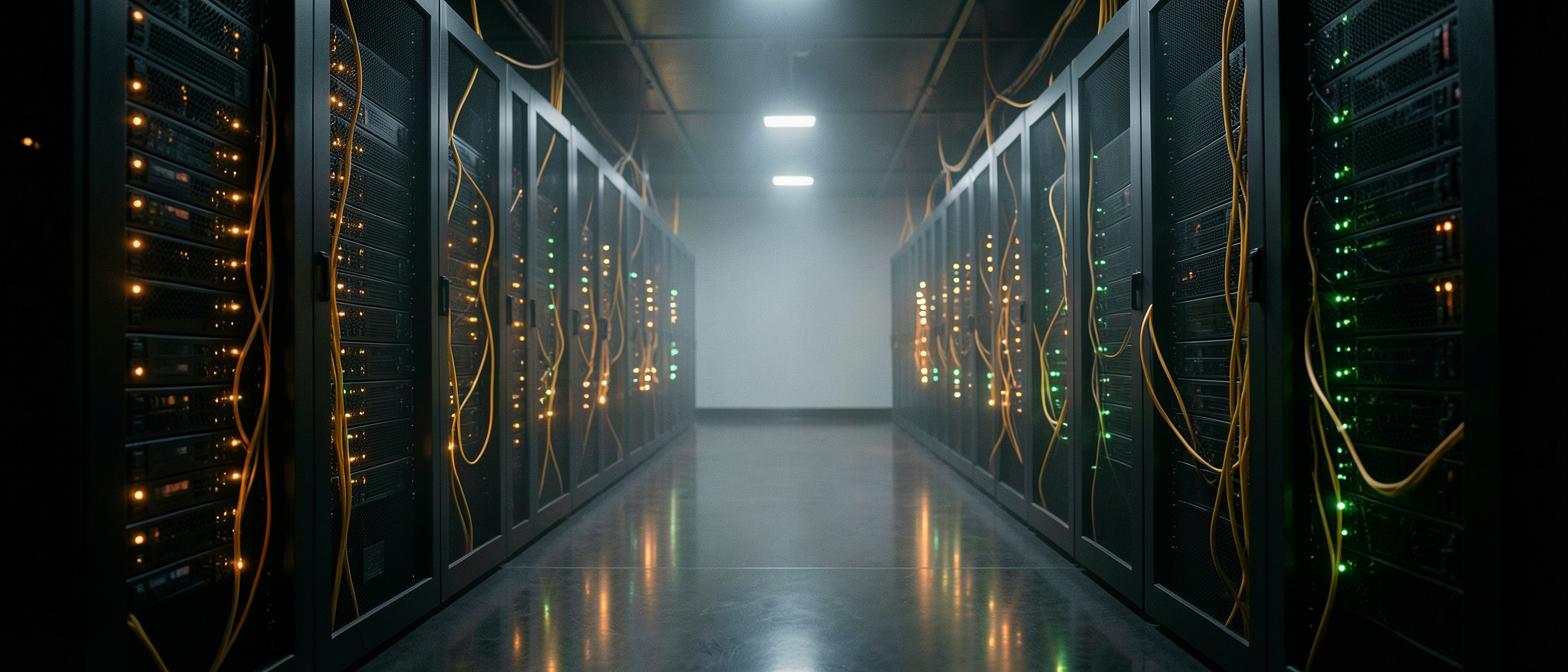
A data centre aisle lined with black server racks, their status LEDs glowing amber and green

hardware · the quiet majority

The machine nobody buys by name

Ask a company which operating system it runs and the honest answer is often "whatever the provider installed". Under every one of those instances sits the same arrangement: commodity hardware, a kernel that treats each device as a driver problem, and a shell waiting for a command.

kernel7.3.5 stable
licenceGPLv2
architecturesx86 · arm64 · riscv
change rate~10 / hour

illustrative · rack elevation

A rack diagram rather than a photograph of one provider: a typical web tier, drawn as it would be labelled in a build sheet.

01orientation

Three words people use as one

"Linux" gets used for three different things, and that is where most beginner confusion starts. Separate them once and the rest of the story makes sense.

the kernel

The core program

The part Linus Torvalds actually wrote. It talks to hardware, decides which process runs next, hands out memory and exposes system calls. It is around 40 million lines today and it is not a complete operating system on its own.
GPLv2 · how it works →

the distribution

The assembled product

A distro packages the kernel with a bootloader, libraries, a package manager and defaults. Debian, Fedora, Ubuntu, Arch and Alpine are different answers to "what should a complete system look like?"

apt · dnf · pacman · apk

the userland

Everything above it

GNU tools, the shell, systemd, the desktop, the compiler. Most of the commands you type are not the kernel at all — they are ordinary programs asking the kernel to do things for them.

bash · coreutils · systemd

03the kernel

What actually happens when you read a file

Your program never touches the disk. It asks the kernel, using a system call, and the kernel decides whether the answer is allowed, cached, or needs work.

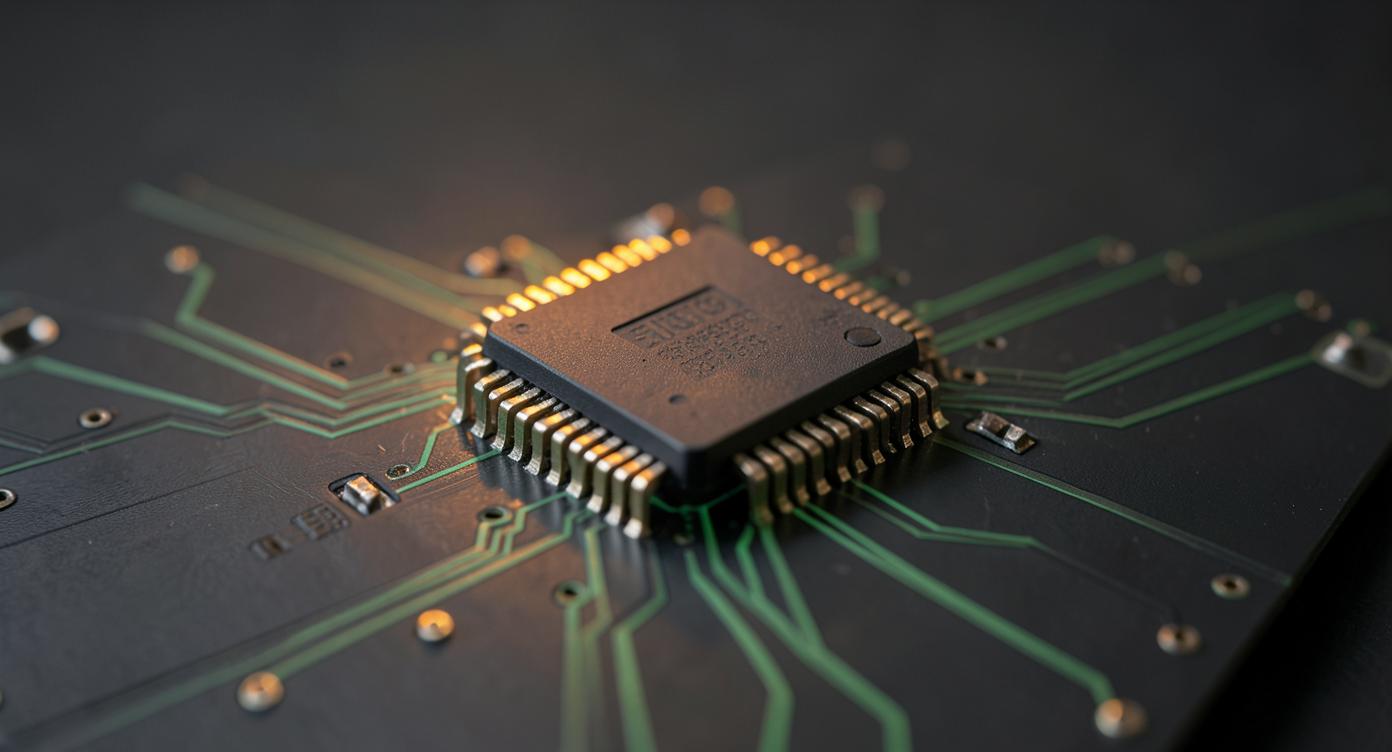
Macro photograph of a processor package on a dark circuit board, gold pins and green traces catching the light
siliconNone of this is visible to your program. The kernel turns pins, buses and DMA into files, sockets and pages.
read(2) in one sentence

Userspace calls read() → the kernel validates the buffer and the file descriptor → the page cache either answers immediately or asks the filesystem driver → the block layer talks to the device → the bytes are copied into your process and control returns. Almost every "Linux is fast" claim comes from that middle step, the cache.

Walk through the kernel layer by layer →

04the lab

Ten lessons, one prompt

The Terminal Lab is a working shell with a simulated filesystem and a lesson engine that checks what you actually typed. Nothing installs, nothing leaves the browser, and progress is saved locally.

  • Find your way around: pwd, ls, cd
  • Create and move files: mkdir, echo >, cp, mv, rm
  • Read a system: uname -a, df -h, ps aux
  • Fix the classic errors: permissions, locked package manager, full disk, OOM

Enter the lab

05in the wild

Places it runs that surprise people

500/500

Supercomputers on the November 2026 TOP500 running Linux, including the new No. 1, LineShine.

top500.org

4B

Android devices running a Linux kernel, per the Linux Foundation's 35-year report.

linuxfoundation.org, Oct 2026

200M+

Servers estimated to run Linux — before counting containers and cloud instances.

linuxfoundation.org, Oct 2026

35yrs

Since the 25 August 1991 announcement on comp.os.minix.

groups.google.com

See the case studies →