500/500
TOP500 systems on Linux, November 2026 list
top500.org
4B
Android devices on a Linux kernel
Linux Foundation, Oct 2026
200M+
Servers estimated to run Linux
Linux Foundation, Oct 2026
30M
Chromebooks shipped per year over the past decade
Linux Foundation, Oct 2026
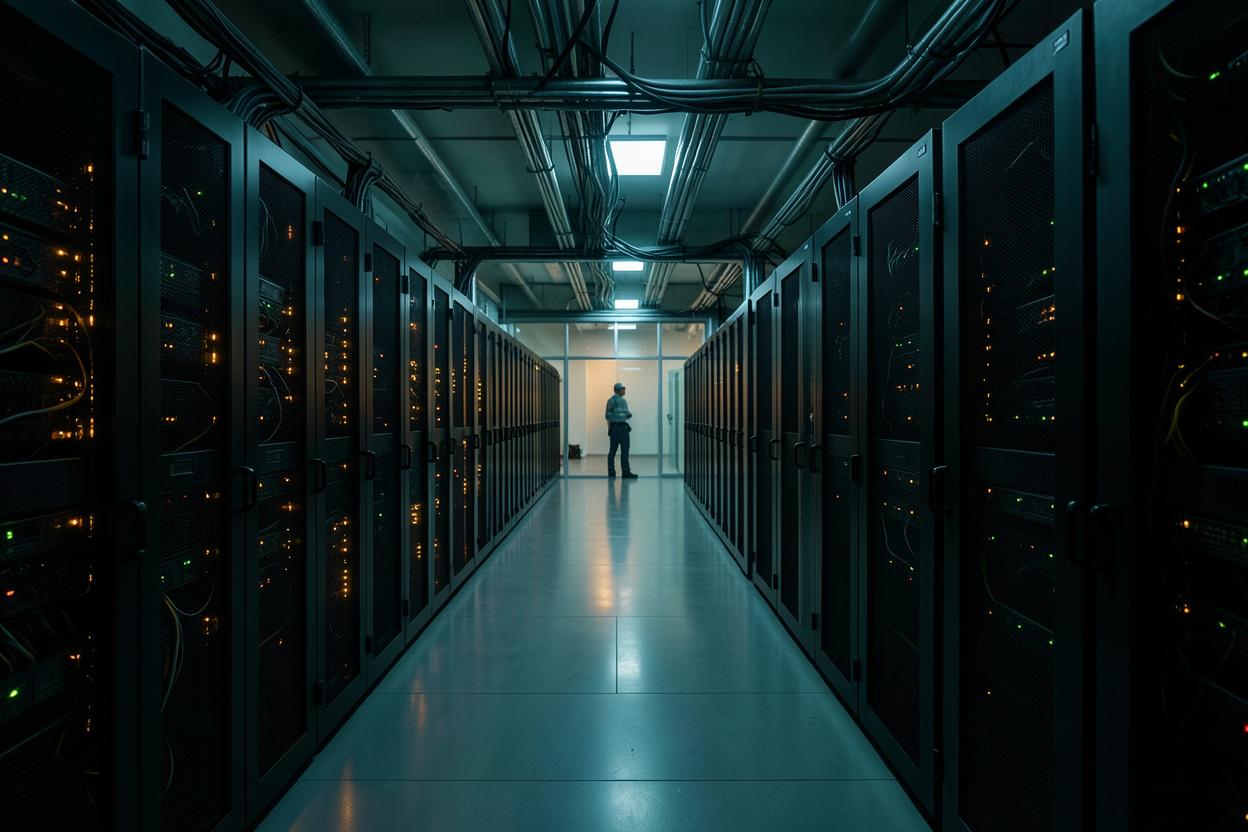
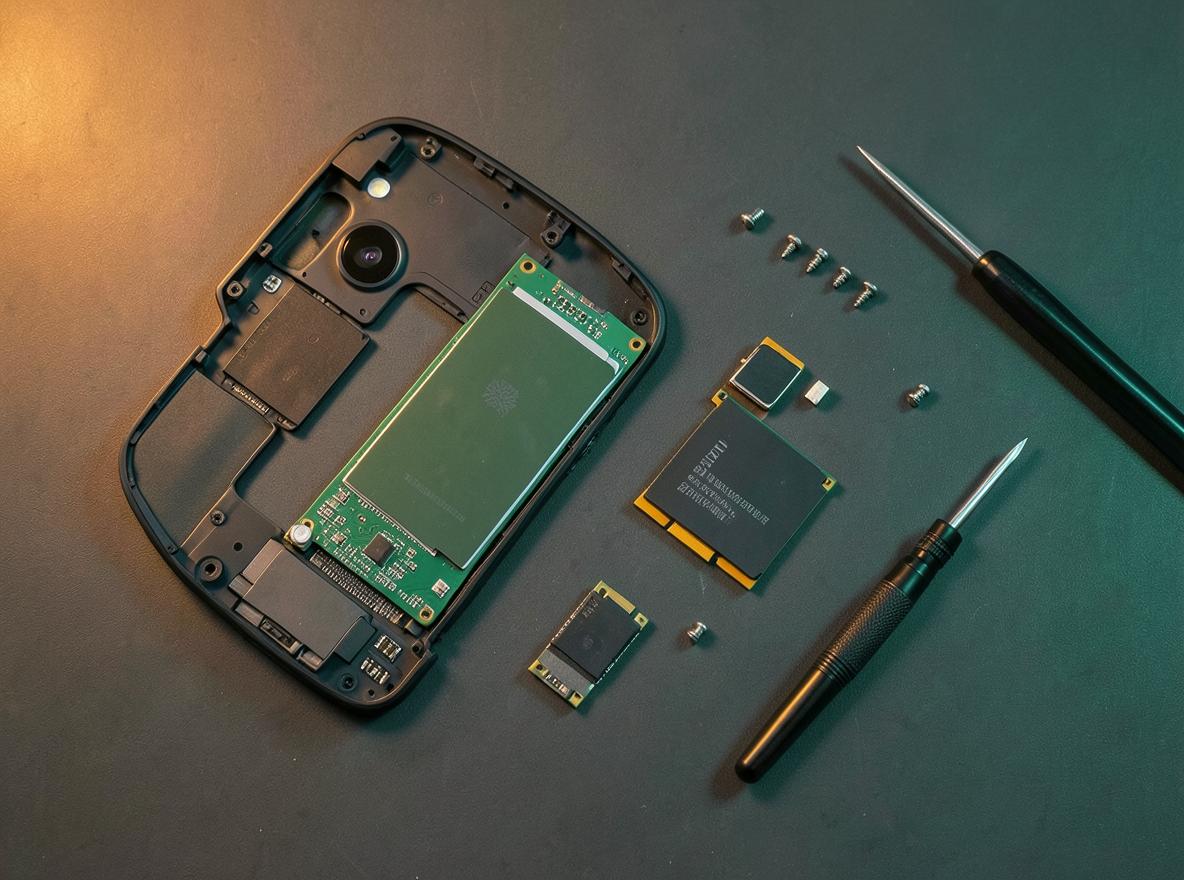
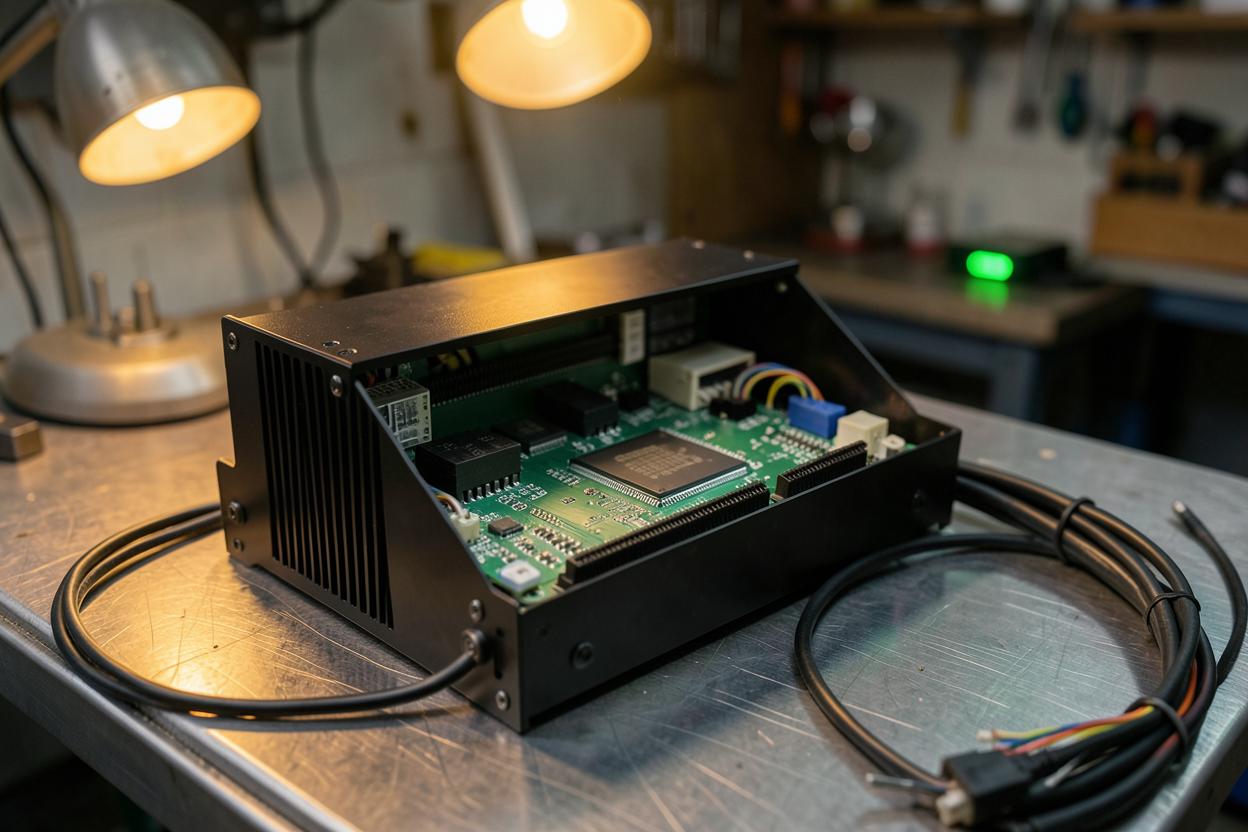
Illustrative imagery, generated for this site: it shows a class of hardware, not the specific systems discussed below.
smartphones
Android
Android is a Linux kernel with a managed runtime and a large framework above it. The kernel supplies process isolation, driver support, memory management and — on phones, the hard problem — power management. Around four billion devices run it, and almost none of their owners will ever see a shell.
Source: Linux Foundation 35 Years report, Oct 2026 · source.android.com
research
Every machine on the TOP500
100% of the world's fastest supercomputers have run Linux since November 2017. The November 2026 No. 1, LineShine, runs Kylin; the previous leader, El Capitan, runs TOSS — both Linux distributions. At 13 million cores, per-socket licensing is the difference between a project and a proposal.
Source: top500.org statistics, OS family table
cloud
The default instance type
When you rent a virtual machine from any major provider, the default image is almost always a Linux distribution. The economics are simple: no per-instance OS licence, a small footprint, and automation that assumes a shell. The hypervisor itself is frequently KVM, which is part of the same kernel.
Source: provider documentation; KVM merged into Linux in 2007
operations
Containers and Kubernetes
Namespaces, cgroups, capabilities and seccomp are kernel features; Docker and Kubernetes are the interface that made them usable. Every container you deploy is a process on a Linux host — which is why container security is kernel security.
Source: kernel documentation (namespaces, cgroups, seccomp)
embedded
Cars, routers, TVs, spacecraft
Automotive systems (including Android Automotive and AGL), home routers, smart TVs, industrial controllers and satellites run Linux because it is portable to new silicon, has drivers for almost everything, and can be rebuilt for a fixed function. The Linux Foundation's report also counts Apple's 5G modems among deployed Linux systems.
Source: Linux Foundation 35 Years report, Oct 2026
finance
Exchanges and trading systems
Latency-sensitive trading runs on tuned Linux because the kernel can be configured — CPU isolation, real-time scheduling, kernel bypass networking — in ways closed systems will not allow. With PREEMPT_RT in mainline since 6.12, the bounded-latency patch set no longer needs a vendor kernel.
Source: kernel.org 6.12 release notes; PREEMPT_RT documentation
01 · licence
No per-unit cost
The GPL lets anyone redistribute Linux, including commercially, as long as the source stays available. At the scale of a data centre or a phone fleet, that removes a line item that would otherwise scale with every device sold.
02 · hardware
It runs on everything
From a five-dollar microcontroller class board to a 13-million-core supercomputer, with driver coverage built by the vendors who want their hardware supported. New architectures get ported because the kernel's abstractions are stable.
03 · automation
Text all the way down
Configuration is files, state is text in /proc and /sys, and every action has a command. That is why configuration management, containers and CI systems assume Linux: you can script the whole machine.
04 · independence
No single owner
The kernel is maintained by contributors paid by competing companies under a neutral foundation. No vendor can withdraw support, change the licence, or raise the price — which is precisely what procurement departments want to hear.
be careful with numbers
Claims like "Linux powers 96% of the web" depend entirely on what is counted — servers, websites, or market share of a vendor survey. This page cites only figures from the TOP500, kernel.org and the Linux Foundation's 2026 report; the sources page lists each one with its access date.